
Pest control in rental properties and multi-unit buildings presents unique challenges that go beyond those of single-family homes. With multiple occupants sharing walls, utilities, and common spaces, pests can spread quickly if not properly managed. For property owners, managers, and tenants alike, effective pest control is essential for protecting health, maintaining property value, and ensuring a comfortable living environment.
A well-planned Pest Control Stuart strategy for rental and multi-unit properties focuses on prevention, communication, and consistency. When these elements work together, infestations can be minimized and long-term issues avoided.
Why Rental Properties Are More Vulnerable to Pests
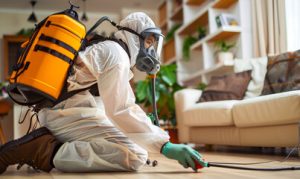
Rental properties and multi-unit buildings naturally create favorable conditions for pests. Higher occupancy means more food sources, waste, and potential entry points. Shared spaces such as hallways, basements, laundry rooms, and trash areas further increase exposure.
In these environments, a single untreated unit can affect an entire building. Pests easily travel through walls, ceilings, plumbing lines, and electrical conduits, making coordinated pest control essential.
Common Pest Challenges in Multi-Unit Buildings
Pests in multi-unit buildings often remain hidden until infestations are widespread. Because units are connected, activity in one area can quickly spread to others.
These properties also experience higher turnover, which can disrupt preventive routines. Without consistent maintenance and inspections, pests may establish themselves during vacancy periods.
Health Risks for Tenants and Occupants
Untreated pest infestations pose serious health risks, especially in densely populated buildings. Pests can contaminate food, trigger allergies, and contribute to respiratory issues.
In rental environments, these health concerns affect not only individual tenants but entire communities. Effective pest control protects occupants and reduces liability risks for property owners.
Structural Risks in Shared Buildings
Beyond health concerns, pests can damage building materials such as wood, insulation, and wiring. In multi-unit properties, this damage often goes unnoticed until it becomes extensive.
Protecting structural integrity is a critical responsibility for property owners. Pest control helps prevent costly repairs and preserves long-term property value.
Responsibilities in Rental Pest Control
Clear responsibility is essential for effective pest control in rental properties. Property owners are typically responsible for maintaining safe and habitable living conditions, which includes addressing pest issues.
Tenants also play an important role. Proper sanitation, waste management, and reporting early signs of pests help support building-wide pest prevention efforts.
The Importance of Preventive Pest Control
Preventive pest control is far more effective than reactive treatments in multi-unit settings. Waiting until pests are visible often means the infestation has already spread.
Regular inspections and preventive measures help identify vulnerabilities early. This proactive approach reduces disruptions and long-term costs.
Entry Points and Shared Infrastructure
Multi-unit buildings contain numerous shared entry points that pests exploit. Gaps around pipes, vents, doors, and windows allow pests to move freely between units.
Sealing these entry points is a foundational step in pest control. Addressing shared infrastructure reduces the likelihood of building-wide infestations.
Waste Management and Pest Attraction
Improper waste handling is one of the leading causes of pest activity in rental properties. Overflowing bins, food residue, and clutter create ideal conditions for pests.
Consistent waste management policies and regular cleaning of common areas significantly reduce pest attraction and support overall hygiene.
Role of Regular Inspections
Inspections are critical in rental properties where pest activity may go unreported. Regular checks of units, common areas, and utility spaces help detect early signs of infestation.
Early detection allows for targeted intervention, preventing pests from spreading throughout the building.
Integrated Pest Management for Multi-Unit Buildings
Integrated pest management is especially effective in rental properties. This approach combines monitoring, prevention, sanitation, and targeted treatments into a cohesive plan.
By addressing root causes rather than symptoms, integrated pest management delivers long-term results that benefit both property owners and tenants.
Communication With Tenants
Open communication is essential for successful pest control. Tenants should be educated on prevention practices and encouraged to report issues promptly.
Clear guidelines help align expectations and ensure cooperation. When tenants understand their role, pest control efforts become more effective.
Managing Vacant Units
Vacant units can become hotspots for pest activity if not properly maintained. Without regular cleaning and monitoring, pests can establish nests and spread to occupied units.
Routine inspections and maintenance of vacant spaces help prevent infestations from taking hold.
Seasonal Pest Considerations
Seasonal changes affect pest behavior, making year-round planning essential. Warmer months may increase activity, while colder months drive pests indoors.
Adapting pest control strategies to seasonal patterns helps maintain consistent protection across all units.
Common Areas Require Extra Attention
Common areas experience high traffic and frequent use, making them prime locations for pest activity. Kitchens, laundry rooms, and storage spaces require special attention.
Regular cleaning and monitoring of these areas help reduce risks and support building-wide pest control.
Long-Term Cost Savings
Investing in regular pest control reduces long-term expenses. Preventive measures cost far less than repairing damage or addressing widespread infestations.
For property owners, consistent pest control protects both financial investments and tenant satisfaction.
Tenant Retention and Reputation
Pest issues are a common reason tenants choose not to renew leases. A well-maintained, pest-free building enhances reputation and encourages long-term occupancy.
Effective pest control contributes directly to tenant retention and positive reviews.
Legal and Compliance Considerations
Maintaining pest-free conditions is often part of housing standards and regulations. Failure to address infestations can lead to complaints, penalties, or legal action.
Regular pest control supports compliance and reduces liability risks for property owners and managers.
Customized Pest Control Plans
Every building is different. Factors such as layout, age, and occupancy levels influence pest risks.
Customized pest control plans ensure that strategies are tailored to the specific needs of the property, improving effectiveness.
Educating Property Staff
Maintenance teams and property staff play a vital role in pest prevention. Training helps them recognize early warning signs and address issues promptly.
Informed staff contribute to faster response times and better overall pest control outcomes.
Reducing Pest Spread Between Units
Because pests move easily between units, treatments must be coordinated. Addressing only one unit often leads to reinfestation.
Building-wide strategies are essential for breaking pest cycles and achieving lasting results.
Monitoring and Ongoing Evaluation
Pest control is not a one-time task. Ongoing monitoring ensures that strategies remain effective as conditions change.
Regular evaluations allow adjustments that improve long-term success.
Balancing Tenant Privacy and Safety
Pest control in rental properties must respect tenant privacy while ensuring safety. Clear scheduling and communication help balance these priorities.
Professional, well-organized pest control programs minimize disruption and maintain trust.
Creating a Healthier Living Environment
Pest-free buildings support better health, comfort, and quality of life. Clean, safe environments benefit both tenants and property owners.
Consistent pest control contributes to a positive living experience for everyone.
Pest control for rental properties and multi-unit buildings requires a proactive, coordinated approach. With shared spaces, multiple occupants, and constant movement, these properties face unique challenges that demand consistent attention.
By focusing on prevention, communication, and integrated strategies, property owners and managers can reduce infestations, protect health, and preserve property value. Effective pest control is not just a maintenance task—it is an essential part of responsible property management and long-term success.